
Understanding the Mechanics of Wagering
Master the Most Popular Casino Games: Rules, Strategies & Odds Explained
Have you ever wondered how casino games combine chance and strategy into a single, engaging activity? These games, such as blackjack, roulette, and slots, operate on predefined rules and random outcomes, often determined by a random number generator or physical mechanics like a spinning wheel. Players place bets on specific results, with the house edge ensuring a built-in advantage for the casino over time, while offering the potential for immediate payouts to winners based on odds and luck. To participate, you simply choose a game, understand its basic rules, and wager your desired amount before the outcome is revealed.
Understanding the Mechanics of Wagering
Understanding the mechanics of wagering in casino games means recognizing that each bet interacts with a fixed house edge, not luck. For every wager you place on a slot or table game, the odds are mathematically stacked against a long-term profit. A key mechanic is the “expected value” of a bet, which calculates your average loss per wager over time. For example, in roulette, a straight-up bet pays 35:1, but the true odds are 37:1 (on a single-zero wheel). Q: What determines the speed of your bankroll depletion? A: The combination of the house edge and your betting frequency. Even with optimal strategy on blackjack, the house retains a slight advantage per hand wagered. The only control you have is managing your bet size and session length, as the underlying mechanics remain fixed.
How House Edge Shapes Your Odds
The house edge is the mathematical advantage built into every casino game, directly shrinking the odds of a player win over time. In games like roulette, the presence of green zeroes (or double-zero) shifts the payout odds below true probability, ensuring the house profits regardless of outcomes. This fixed percentage chips away at your bankroll with every spin, hand, or roll, making long-term play a losing proposition against the math. Understanding this mechanic reveals why no betting strategy can overcome a negative expectation game; the house edge shapes your odds by guaranteeing a loss on average, not by luck.
The house edge is the built-in percentage turn that guarantees the casino profits over time, directly shaping your odds by making every bet mathematically unfavorable in the long run.
Random Number Generators vs. Mechanical Games
The core distinction between digital and physical casino games lies in RNG certification versus mechanical calibration. A Random Number Generator (RNG) in slots or video poker uses a continuous algorithm to produce unpredictable results for every spin, ensuring each outcome is independent of the last. In contrast, mechanical games like roulette or craps rely on physical laws—the spin of a wheel or the toss of dice. To win consistently at mechanical games, you must understand these physics, as slight dealer spins or wheel imperfections create patterns. For RNG games, no pattern exists, so your strategy shifts to bankroll management and game selection.
- Examine mechanical games for biased wheels or controlled dice throws.
- Verify RNG games via third-party audit seals for true randomness.
- Adapt your play: seek physical patterns in mechanics; accept pure chance in digital.
Volatility and Variance in Betting Systems
Volatility and https://tonybetcasino.bet/ variance define the very heartbeat of a betting system, dictating the rhythm of your bankroll swings. High variance systems, like chasing rare jackpots, produce long cold streaks punctuated by explosive wins, demanding deep patience. Low variance systems offer smaller, frequent payouts, smoothing the ride but capping your upside. Understanding this is crucial for matching a strategy to your risk appetite; a flat-betting approach on a high-variance slot system can drain funds fast, while negative progression systems thrive on short-term volatility spikes to recover losses. You must calculate the expected variance of any system before committing cash.
| Aspect | Volatility in Systems | Variance in Systems |
|---|---|---|
| Definition | Speed and magnitude of bankroll changes | Statistical spread of outcomes over cycles |
| User Impact | Determines emotional stress and session tempo | Affects long-term bankroll survival probability |
| System Role | Drives when to scale bets (e.g., Martingale during dry spells) | Informs if a system’s payout structure risks ruin |
Classic Card and Table Offerings
In the hushed glow of the casino floor, the felt tables hold the heart of classic card and table offerings. Players gather around blackjack, where the tension builds with each dealer’s flip, applying basic strategy to chase 21 without busting. Nearby, the spinning roulette wheel creates a rhythm of chance, the ball’s final click on a red or black pocket deciding fortunes. At the baccarat table, the ritual of dealing the Player and Banker hands draws a quiet crowd, all following a game of pure luck. Meanwhile, the craps table erupts with cheers during a hot roll, the dice tumbling across the felt as players place odds bets on the Pass Line. These are the timeless games, offering direct interaction with the cards, dice, and wheel.

Blackjack: Strategies for Beating the Dealer
Blackjack offers the best odds in the casino when you deploy a solid strategy. Mastering basic strategy is non-negotiable; it mathematically dictates when to hit, stand, double down, or split based on your hand versus the dealer’s upcard, slashing the house edge to under 1%. To truly beat the dealer, implement card counting—tracking high and low cards to adjust your bets when the deck favors you. This shifts the advantage in your favor, turning chance into a profitable skill. Can you effectively count cards in a modern casino without being detected? Yes, by using simpler systems like Hi-Lo and maintaining natural play to avoid heat, you can exploit dealer weaknesses consistently.
Poker Variants from Texas Hold’em to Three Card
Poker variants from Texas Hold’em to Three Card offer distinct strategic depths for casino visitors. Texas Hold’em remains the flagship, where your two hole cards and five community cards test bluffing and hand-reading under pressure. For quicker action, Three Card Poker eliminates community cards; you compete directly against the dealer using only three cards, with pairs or better typically paying out immediately. Omaha Hi-Lo splits pots between high and low hands, demanding careful starting-hand selection. Caribbean Stud Poker mixes five-card stud with a progressive jackpot side bet, adding risk-reward dynamics. Three Card Poker strategy often focuses on folding weak hands like queen-high or lower. Q: What hand qualifies for a raise in Three Card Poker? A: Most experts advise raising with queen-6-4 or better to maximize odds against the dealer.
Baccarat’s Appeal to High Rollers
Baccarat’s appeal to high rollers stems from its low house edge on banker and player bets, often under 1.2%, which minimizes long-term losses for large wagers. The game’s simplicity—no decisions beyond choosing a side—suits players focused on fast-paced action rather than strategy. High-limit tables, private salons, and high betting caps cater to significant bankrolls, while the ritualistic dealing and minimal player involvement create an exclusive, status-driven atmosphere. This combination of simplicity, favorable odds, and elevated stakes establishes baccarat’s high-stakes exclusivity as a primary draw for premium players.
| Aspect | Appeal to High Rollers |
|---|---|
| House Edge | Low (~1.06% banker, ~1.24% player) preserves bankroll |
| Betting Limits | High caps accommodate large single wagers |
| Gameplay | No skill required; fast, repetitive rounds |
| Environment | Private rooms, VIP service, status signaling |
Craps: Navigating the Dice Action
To navigate craps effectively, understanding the pass line bet as your foundational wager is essential. The action begins with the come-out roll: a 7 or 11 wins immediately, while a 2, 3, or 12 loses. Any other number establishes the “point.” Once set, the core sequence involves the shooter rolling until that point reappears or a 7 ends the round. Avoiding the confusing proposition bets found in the center of the layout is critical for bankroll management. To logically approach the dice action, follow this sequence:
- Place a pass line bet before the come-out roll.
- After a point is established, add odds behind your pass line for better value.
- Use place bets on the 6 or 8 for lower house-edge action.
- Wait for the point or a 7 to resolve the round.
Modern Digital Slot Experiences
Modern digital slot experiences in casino games center on dynamic gameplay mechanics like cascading reels and expanding wilds, which replace static paylines. A key feature is the integration of interactive bonus rounds that demand player input, such as picking symbols for multipliers or navigating mini-game boards. These slots use advanced random number generators to ensure each spin’s outcome is independent, despite the visual complexity of animated themes. The volatility of a slot, rather than its theme, primarily dictates how often and how much a player can expect to win. Practical user adjustments include setting auto-spin limits and bankroll thresholds directly within the game interface, allowing for controlled session management.
Video Reels and Payline Configurations

Video reels have evolved from mechanical to purely digital displays, allowing for dynamic payline configurations beyond traditional horizontal rows. Modern slots can feature 243, 1,024, or even 117,649 “ways to win” via clustering mechanics, eliminating fixed paylines entirely. Instead of line-based matches, adjacent reels in any position trigger payouts across cascading or expanding grid configurations. Practical user benefits include more frequent small wins and strategic volatility adjustments.
- Fixed paylines restrict winning combinations to specific patterns (e.g., 20 lines).
- All-ways systems award payouts for matching symbols on consecutive reels left to right.
- Megaways engines randomize reel height per spin, altering active payline numbers.
Progressive Jackpots and Network Prizes
Progressive jackpots pool a fraction of every bet into a single, ever-growing prize, offering life-changing sums from a single spin. Network prizes link thousands of machines across multiple casinos, rapidly inflating the top prize until one lucky player claims it. These interconnected systems create network-driven windfalls that can hit at any moment, regardless of bet size. You are not just playing one game; you are competing for a prize funded by players worldwide, making each spin a direct shot at a potentially massive payout.
Thematic Explorations in Online Environments
Modern digital slots leverage thematic explorations in online environments by constructing cohesive narrative worlds that directly influence gameplay mechanics. A pirate theme, for example, integrates ship-battle bonus rounds and treasure-map scatters, while an Egyptian motif ties expanding wilds to pyramid excavation. These environments use visual motifs—like animated backgrounds or character-driven story arcs—to trigger specific reel behaviors, such as cascading symbols during a “temple collapse.” Each element, from soundtrack to symbol design, serves a functional role in pacing volatility and reward frequency, ensuring the theme is not cosmetic but a structural layer of the play session.
Thematic explorations in online environments transform slots into immersive, rule-driven narratives where setting mechanics directly shape player strategy and payout loops.
Specialty Selections and Novelty Games
While core casino games like blackjack and slots dominate the floor, Specialty Selections and Novelty Games offer a refreshing, low-stakes break from tradition. These include instant-win keno, virtual scratch cards, and fast-paced bingo variations that rely more on luck than complex strategy. Unique novelty titles like virtual horse racing or wheel-of-fortune spins provide a quick, visually engaging experience without the pressure of a full table game. For players seeking immediate results and a lighter atmosphere, these Specialty Selections and Novelty Games serve as perfect palate cleansers, delivering dynamic thrills between serious rounds of poker or high-volatility slots. They are designed purely for entertainment, focusing on simple rules and rapid payouts.
Keno and Bingo’s Number Matching Thrills
Keno and Bingo hinge on the same core mechanic: matching randomly drawn numbers to those a player has pre-selected. In Keno, you pick up to 20 numbers from a field of 80, then watch as 20 balls are drawn; the more matches, the higher the payout multiplier. For Bingo, cards display a 5×5 grid, and a caller draws numbers until one player completes a predetermined pattern—line, X, or full cover. Number Matching Thrills derive from the progressive narrowing of possibilities. A logical sequence unfolds:
- Select your numbers or receive a pre-filled card.
- Observe each drawn number in real time.
- Track matches against your selection or card pattern.
- Claim the prize once the required threshold of matches is reached.
Virtual Scratch Cards and Instant Wins

Virtual scratch cards replicate the physical experience by revealing hidden symbols or numbers when clicked, with prizes determined instantly by a built-in random number generator. Instant win games, often styled as simple arcade or match-based challenges, similarly resolve payouts the moment a player completes an action. These games typically offer fixed or progressive jackpots without requiring complex strategy. Quick verification of outcomes is a key practical feature, as results display immediately on screen. Payout tables are usually static, allowing players to know potential rewards before any wager.
- Prizes are determined by matching specific symbol combinations on the virtual card or game grid.
- Bet sizes are often adjustable within a fixed range, affecting potential instant win multipliers.
- Most games include a reveal animation before displaying the final prize amount.
- Auto-play or multi-card buy options are common for faster gameplay sessions.
Wheel Spinning and Dice Simulations
Wheel spinning and dice simulations bring classic casino randomness to digital play. In virtual slots, spinning wheels often trigger bonus rounds or multipliers, while simulated dice mechanics recreate craps or Sic Bo outcomes using random number generators. Players can spin specialized wheels for jackpot selections or use procedural dice rolls in novelty games like High-Low. These simulations offer instant results without physical equipment. Both formats rely on verified RNG to ensure fair odds, providing transparent, user-friendly alternatives to traditional table games.
Wheel spinning and dice simulations serve as digital shortcuts to pure chance, offering players predictable randomness and immediate feedback in specialty casino games.
Live Dealer Interactions in Digital Spaces
Live dealer interactions transform digital blackjack and roulette from solitary clicks into shared table dynamics. You can chat directly with the dealer, asking for hand strategies or commenting on a lucky spin, creating a social layer absent in standard RNG games. Q: Can I influence the dealer’s speed? A: Yes, most platforms allow you to request slower dealing or a specific shuffle method, though final discretion remains with the croupier. This real-time communication humanizes the screen, letting you read dealer mannerisms and build rapport—a tactile edge that deepens immersion and trust with every card flip or wheel drop.
Real-Time Streaming with Human Croupiers
Real-time streaming with human croupiers transmits live video from a casino floor or dedicated studio directly to a player’s device, using multiple camera angles to capture every card shuffle, roulette spin, or dice throw. This setup eliminates random number generators by relying on physical equipment and a dealer’s manual actions. The live video feed latency stays under two seconds, allowing players to place bets via an on-screen interface while watching the real-world outcome. Each table operates with a dedicated crew, including a croupier and a pit boss, to maintain game integrity without algorithmic intervention. Q: How does the streaming technology account for connection drops during a hand? A: If a player’s feed freezes, the round completes on the dealer’s side, and the result is recorded; the player reconnects to view the replay before the next deal.
Interactive Chat and Table Etiquette
Engaging in live dealer chat etiquette enhances the entire table experience for you and other players. Always greet the dealer and wait for the betting window to close before typing a question, as the live feed can have a slight delay. Avoid spamming emojis or discussing results of previous hands during active play. Remember that dealers read the chat to create a social vibe, not to offer strategic advice. A simple sequence for respectful interaction includes:
- Type your greeting or bet request only during the “place your bets” phase.
- Keep messages short and avoid slang the dealer may not understand.
- Use the “tip” button if you thank the dealer, keeping chat focused on game flow.
This keeps the digital table courteous and fast-paced for everyone.
Advanced Camera Angles for Immersion
Instead of a single fixed view, advanced camera angles drop you right into the action. A low-angle shot from the dealer’s perspective makes you feel like you’re sitting at the table, while a close-up on the spinning wheel or card shoe builds tension. These dynamic, multi-camera setups let you switch between a wide table view and the dealer’s hands, creating true immersive live dealer technology that mimics being physically present. It transforms a flat broadcast into a personal, engaging experience where every angle pulls you deeper into the game.
Bankroll Management and Smart Play
You sit down at the blackjack table, a crisp stack of chips representing your entire month’s entertainment budget. Before the first card drops, you’ve already divided that stack into ten smaller, untouchable sessions. This is bankroll management—the line between a night of play and a regretful morning. The smartest play isn’t a lucky guess; it’s deciding that when a session is gone, you walk. No chasing. No dipping into rent money.
The house edge is a long-term tax, but a disciplined bankroll is your short-term immunity.
Every bet must fit into your session cap, every win must be pocketed before it tempts you to double down. In casino games, the only real move is protecting your next hand, not winning the current one.
Setting Limits for Responsible Engagement
Before you play any casino game, you must define your boundaries. Setting limits for responsible engagement begins with a fixed monetary loss cap you will not exceed, regardless of how tempting the next spin seems. Establish a strict time limit for your session and use the platform’s built-in deposit or wager controls to enforce it automatically. A clear sequence ensures you stay in control:
- Choose a loss amount you can afford to lose completely.
- Set a session timer and stop when it expires.
- Never chase losses by increasing your bet size to recover them.
This practice transforms play into a sustainable activity rather than a financial risk. Casinos provide these tools; use them every session to protect your bankroll and your well-being.
Choosing Games with Favorable Probabilities
Choosing games with favorable probabilities is a cornerstone of bankroll management. Prioritize games like blackjack or baccarat, which offer a house edge below 1% with optimal play, over high-edge slots. Prioritize low-house-edge games to maximize your potential returns per session. A key term is expected value, which is higher for video poker variants like Jacks or Better.

| Game | House Edge (Approx) |
|---|---|
| Blackjack (basic strategy) | 0.5% – 1% |
| Baccarat (banker bet) | 1.06% |
| Craps (pass line bet) | 1.41% |
Mistakes That Drain Your Wagering Budget
Chasing losses is the fastest way to vaporize your bankroll; each desperate bet compounds the damage. Betting maximum credits on high-volatility slots without a win cap drains funds rapidly, as does ignoring table minimums that eat your stack in a few losing rounds. Emotional wagering after a bad beat leads to oversized stakes that ignore your budget. Avoid doubling down recklessly in pursuit of a quick recovery—this chasing losses cycle systematically empties your account. Stick to pre-set limits and accept variance as natural.
Mistakes that drain your wagering budget: chasing losses, betting max on volatile games, ignoring minimums, and emotional stake increases that break your bankroll rules.
Mobile Wagering and Accessibility Trends
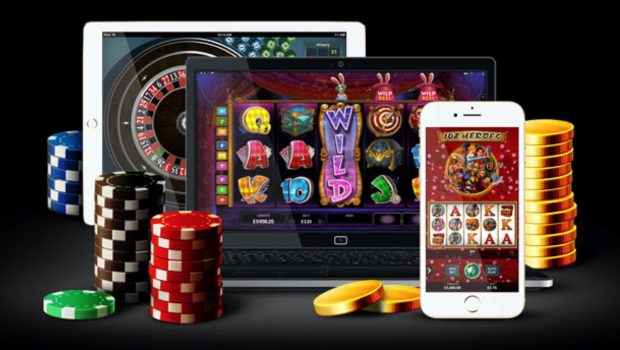
Mobile wagering makes casino games like slots and blackjack instantly accessible from your phone, cutting out casino commutes. Touchscreen betting speeds up gameplay, letting you tap to spin or raise a wager in seconds. Live dealer games now stream directly to your device, with one-touch “quick bet” buttons for faster action. Voice commands are emerging, allowing you to raise bets or hit “stand” hands-free while multitasking for accessibility. Cross-device syncing means your bankroll and game history follow you from phone to tablet seamlessly. These trends prioritize streamlined navigation, shrinking game menus and simplifying deposit flows so you wager on the go without frustration.
Optimized Interfaces for Smartphones and Tablets
Optimized interfaces for smartphones and tablets transform casino games by adapting complex controls to touch gestures. You can swipe to spin slots, tap to hold cards, or pinch to adjust bet sizes without tiny buttons. These layouts prioritize thumb-friendly hotspots, keeping frequent actions like “deal” or “spin” within easy reach. The responsive design automatically reorients and resizes tables for landscape or portrait modes, ensuring you never miss a button. This focus on intuitive touch navigation eliminates the frustration of mis-taps during fast-paced play.
- One-handed mode clusters key actions for comfortable grip on larger devices
- Haptic feedback confirms selections without needing to look away from the action
- Drag-to-bid sliders replace clumsy number pads for smoother stake adjustments
Touchscreen Controls and Gesture Navigation
Touchscreen controls have redefined mobile casino gameplay by enabling direct, haptic interaction with digital felt, chips, and cards. Gesture navigation replaces button presses with swipes to spin reels, drag bets, or fold hands, allowing for faster, more intuitive play. Modern implementations use capacitive multitouch to detect multiple fingers simultaneously, supporting pinch-to-zoom on game tables or two-finger sweeps for rapid betting increments. Gesture-based betting shortcuts reduce input errors by requiring deliberate swipe paths, while accelerometer integration can tilt the device to shake virtual dice. These interfaces eliminate latency between user intent and game action, critical for live dealer environments where timing matters.
- Swipe up/down on a blackjack hand to double down or split without menu navigation
- Long-press on a slot’s spin button triggers auto-play with configurable stop conditions
- Circular drag gesture on a roulette wheel selects numbered bet zones with haptic confirmation
- Three-finger pinch on a baccarat table toggles between score history and current round view
Cross-Platform Synchronization of Accounts
Cross-platform synchronization of accounts ensures a player’s balance, game history, and loyalty tier remain identical whether accessed via a mobile app, desktop browser, or tablet. This eliminates redundant deposits or manual data transfers when switching devices mid-session. However, progress in single-session games like slots rarely transfers unless synced in real-time, as algorithms treat each login as a continuation of the server-side state. **Q: Does syncing affect game fairness?** A: No, synchronization only mirrors account data; random number generators and bet outcomes remain independent per spin, preserving integrity across platforms.